How people become S&C coaches
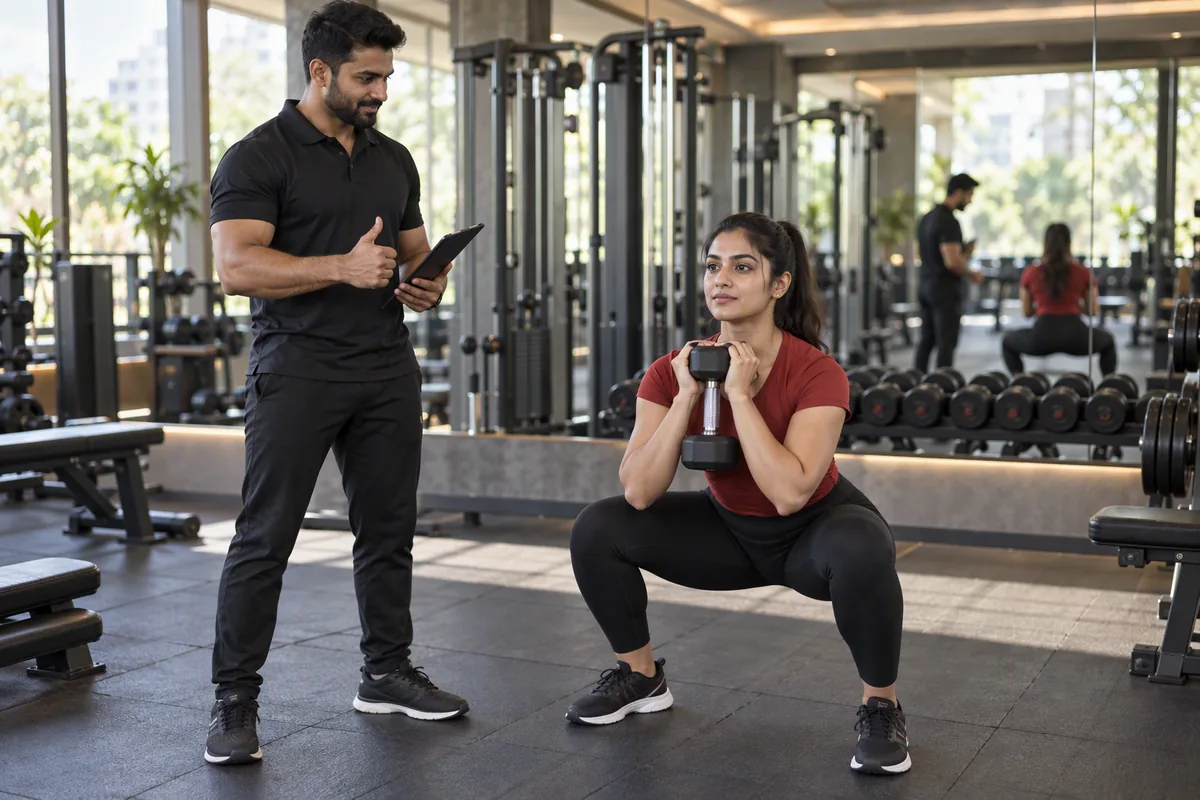
Most strength and conditioning coaches start as personal trainers or come from a sports science or physical education background. Before specialising, it helps to have solid experience coaching basic lifts, assessing clients and writing programmes.
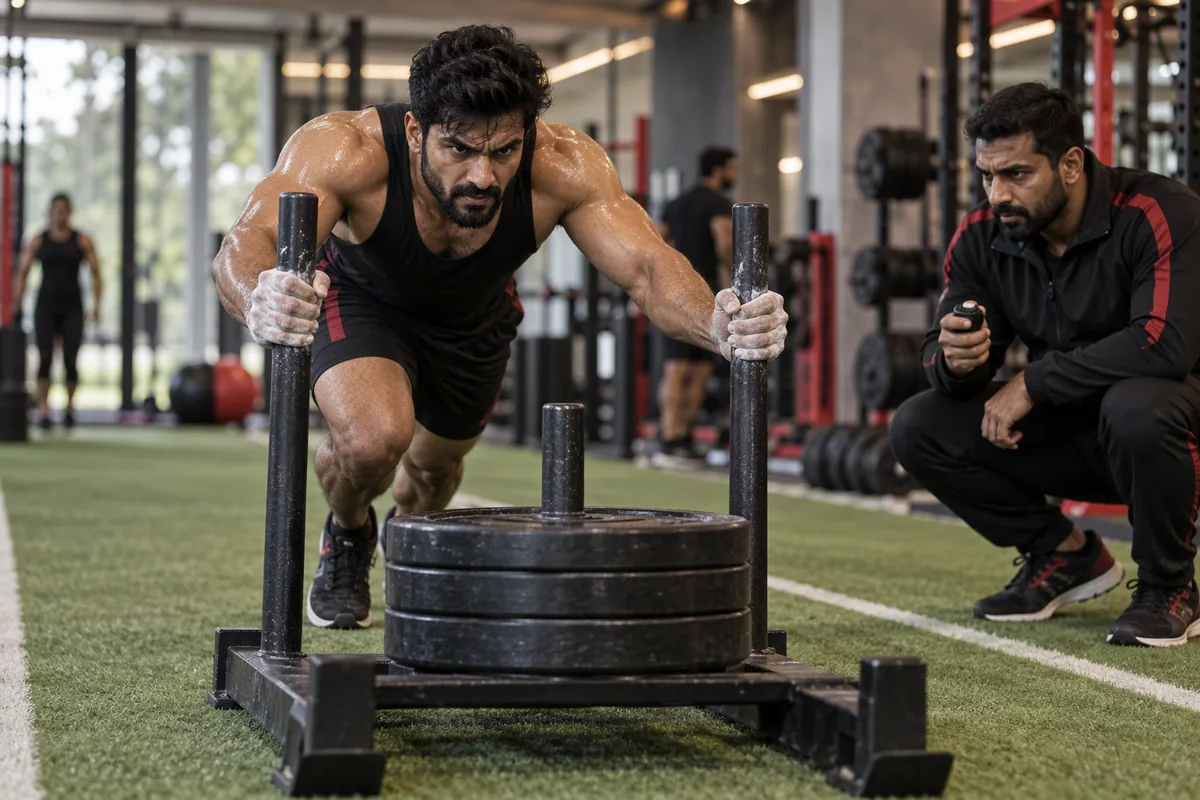
The specialist step is learning how to train athletes rather than general gym members: testing performance, developing speed, agility and power, managing training load across a season and working alongside sport coaches and physiotherapists.
- Build a base as a personal trainer or through a sports science or physical education degree.
- Take an advanced strength and conditioning course.
- Gain hands-on experience with athletes, for example at a club, school team or academy, often as an assistant at first.
- Keep a record of the athletes you have tested and trained; it becomes your portfolio.
Skills the role needs
Movement science and biomechanics, so you understand how athletes produce force. Testing and screening, so you can measure where an athlete starts and whether training works. Programme design across phases, so athletes peak when it matters instead of in the middle of the off-season.
You also need to coach speed, agility, endurance and power drills safely, understand injury risk and return to training, and communicate with athletes, parents and sport coaches. Sport psychology basics help, because confidence and motivation affect performance as much as strength does.
Where S&C coaches work
Common settings include sports academies, schools and colleges with sports programmes, professional and semi-professional teams, and performance-focused gyms. Many coaches combine part-time team work with personal training or online coaching while they build their reputation. Full-time team roles are fewer and competitive, so experience and references matter.
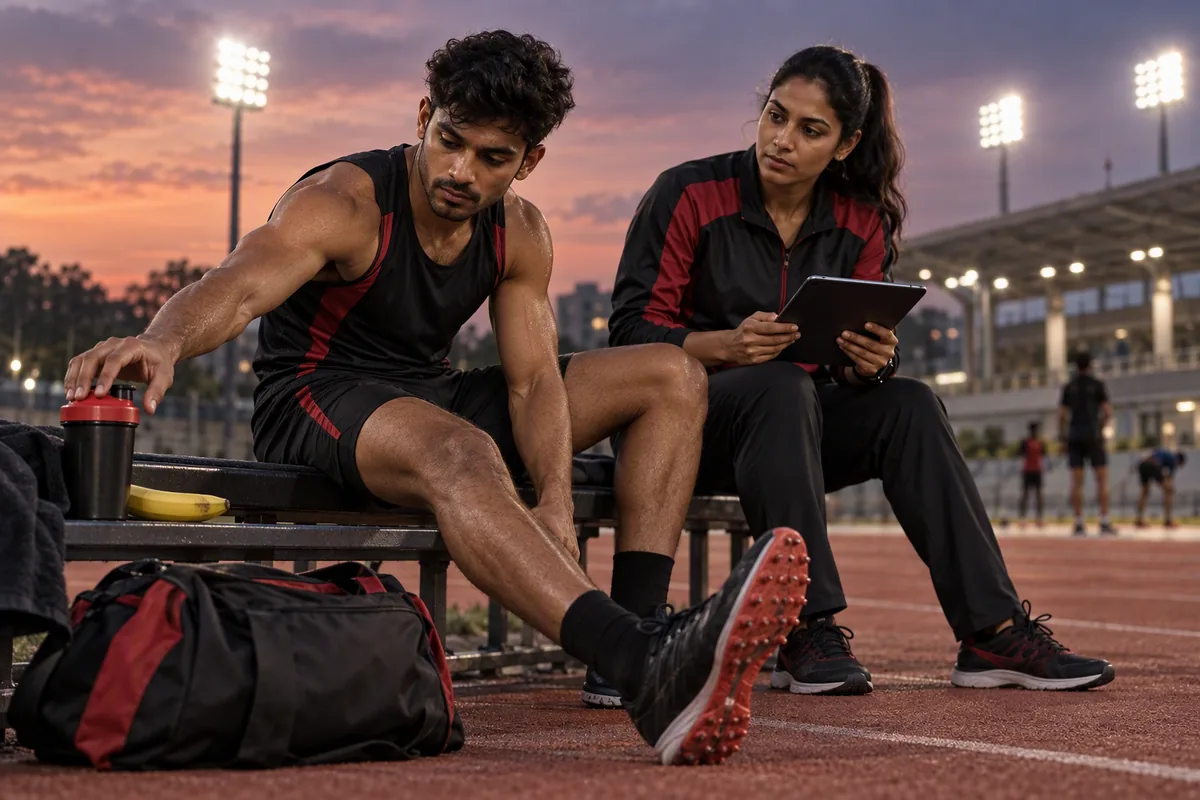
Individual-sport athletes are a growing market too. Runners, badminton and tennis players, combat athletes and cricketers preparing for selection trials often hire a coach privately for a block of training before a season or a trial, which is a practical way to build experience and references early in your career.
Strength and conditioning coach pay in India
Based on industry estimates, strength and conditioning coaches early in their careers in India often earn roughly ₹20,000 to ₹40,000 a month, frequently combining several part-time roles. Experienced coaches working with academies or teams commonly earn roughly ₹40,000 to ₹80,000 a month. Roles with top professional teams can pay more, but they are few.
These are indicative ranges from industry estimates and publicly advertised job listings in India. Pay varies widely by city, employer, experience and client base. They are not WTF Academy placement outcomes or promises.
Which WTF Academy course fits?
The WTF Certified Strength & Conditioning Coach (₹19,999) is an advanced course for people who already understand gym exercises, training terms and client handling. Over about sixteen weeks of self-paced written lessons it covers movement science, sport psychology and client screening, testing and strength plans, speed, agility and endurance work, power drills and training phase planning, and injury, supplements and gym operations. It ends with module quizzes and a practical evaluation at a WTF gym.
If you are not yet a trainer, start with the WTF Certified Personal Trainer and come back to strength and conditioning once you have coaching experience. Sports Nutrition is a strong companion course for coaches who work with athletes.